

How NYC Lounges Are Replacing Manual Booking Staff With AI Closers
Writter
Mario Stewart
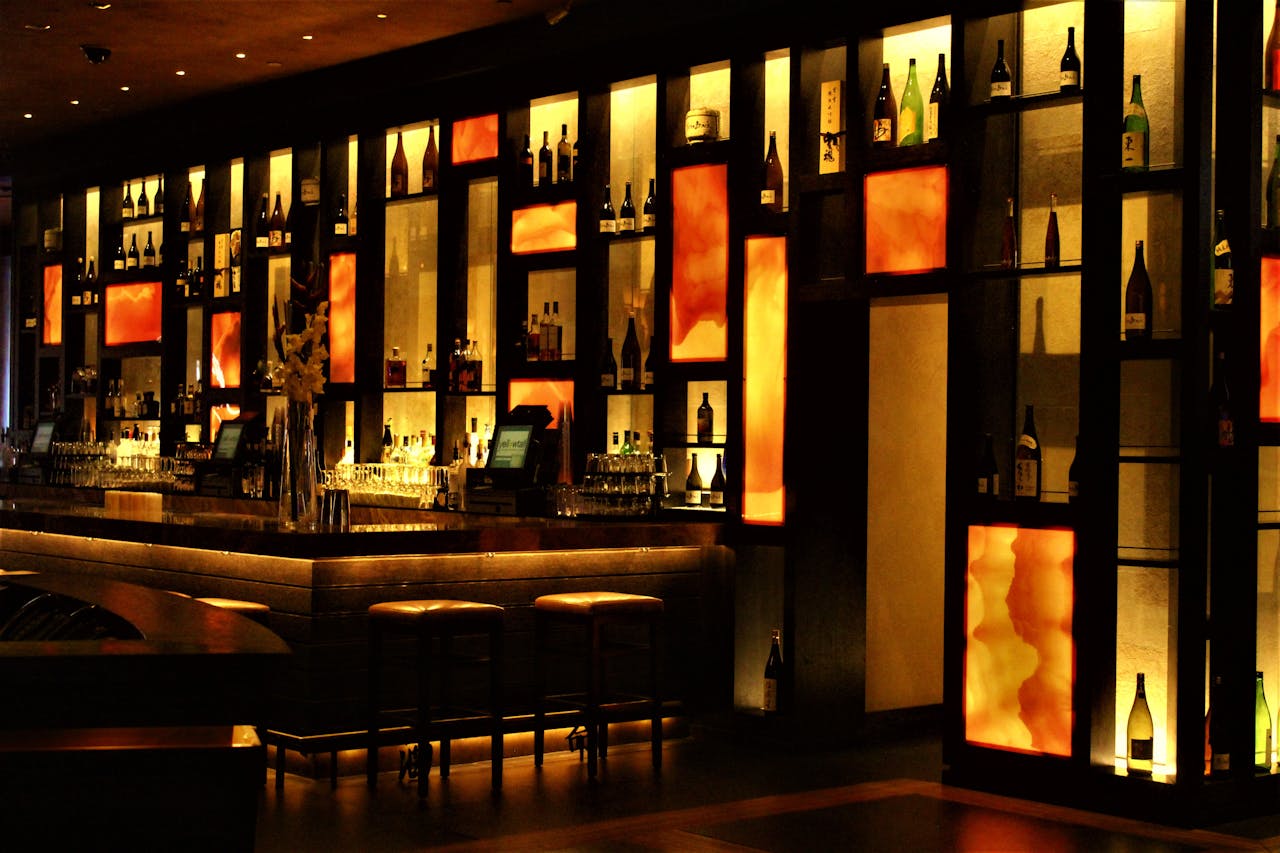
For years, lounges relied on junior booking staff, promoters, and overworked reservation managers to handle the steady stream of bottle service inquiries, table questions, birthday groups, and semi-private events. It wasn’t glamorous work, but somebody had to respond, qualify, price, and close. The problem wasn’t that these teams lacked hustle. The problem was that the entire model was built on manual bandwidth in a city where demand moves faster than people can type.
That bandwidth gap is exactly where AI is stepping in and not as a chatbot novelty, not as a gimmick, but as a revenue function. NYC lounges aren’t experimenting with AI to “explore innovation.” They’re offloading the most expensive, time-sensitive part of their booking workflow to a system that never sleeps, never forgets, never ghosts customers, and never takes six hours to reply to a bottle spend request.
The result is something nightlife hasn’t seen before: automated closers that capture demand in real time.
The Slowest Part of Lounge Sales Was Always the Humans
Lounges are in a strange middle ground between nightclubs and restaurants. They rely heavily on reservations and bottle-driven groups, but they don’t always have dedicated sales teams. Instead, they spread booking responsibilities across:
junior hosts,
promoter groups,
part-time reservation staff,
or random front-of-house employees who “manage DMs in downtime.”
This creates predictable weaknesses:
Inconsistent response times
Messages get answered when people see them, not when customers send them.No real qualification workflow
Hosts waste time chasing groups that were never going to spend.No structured follow-up
Most lounges never message a lead twice, even if the lead was 80% to a booking.Knowledge gaps
Newer staff don’t know pricing adjustments, minimums, or spend tiers.Fatigue and hours
Nobody is answering DMs at 3:17 a.m. when groups are planning the next weekend.
Individually, these flaws look minor. Together, they bleed thousands in missed conversions. This isn’t because demand doesn’t exist, but because the lounge wasn’t able to engage it fast enough or with the right context.
AI closers remove that fragility in one shot.
What an AI Closer Actually Does for a Lounge
People hear “AI closer” and imagine a website bot asking three boring questions and handing over a reservation form. That’s not what’s happening in NYC’s better-run lounges.
A real AI closer does five things that manual staff can’t compete with at scale:
1. Instant Engagement
Whether the inquiry comes through Instagram DMs, WhatsApp, SMS, or a web form, the AI responds within seconds — not hours. That alone captures more conversations than most NYC lounges realize.
2. Contextual Qualification
It determines whether the inquiry is:
bottle service,
table with food,
guest list,
birthday event,
or a private lounge buyout.
Then it segments and routes the conversation appropriately.
3. Pricing and Package Delivery
Instead of “let me check,” the AI presents relevant spend tiers, minimums, seating options, and add-ons. Humans stall. AI accelerates.
4. Follow-Up and Nurture
If the group stops replying, the AI doesn’t lose the thread. It checks back in later. Sometimes that simple follow-up doubles closing rates because people weren’t rejecting the offer, they just got distracted.
5. Automated Handoff to Humans
When a corporate buyout, high-spend guest inquiry, or unusual request arrives, the AI hands it to a GM, events manager, or owner cleanly with all context attached. No chaos, no “sorry, can you repeat that?” moments.
The lounge still gets the relationship. The AI just removes the time-wasting parts.
Why Lounges Close Faster With AI Than With Humans
Lounges don’t lose bookings to lack of appeal. They lose bookings to lag. The gap between intent and confirmation is where most revenue dies.
Someone messages, “What’s the minimum for Saturday for 8 people?” and if they don’t get a fast answer, they text the next two lounges. By the time the first lounge replies hours later, the group already booked at a competitor.
Operators assume that’s normal. It’s not normal. It’s preventable.
AI closers change the timeline so dramatically that lounges start closing leads while the customer is still in the decision window — not hours later when the motivation has evaporated.
Closing rates rise because:
AI collapses the response lag.
AI removes friction in pricing.
AI doesn’t forget follow-up.
AI doesn’t burn bandwidth qualifying dead leads.
AI frees humans to focus only on hot, high-spend opportunities.
The end result is a sales funnel that actually looks like a sales funnel instead of a DM inbox full of missed opportunities.
Why Lounges Are More Ready for This Than Clubs
Nightclubs rely on promoters to drive their culture and demand. Lounges rely more on structured reservations and guaranteed groups. That means lounges are already closer to a sales-driven business model.
Two structural reasons lounges are adopting AI closers first:
1. Higher Reservation Density
Lounges run a higher ratio of booked tables vs walk-ins. Anything that improves booking efficiency has immediate revenue impact.
2. Lower Social Friction
Lounges don’t have the same status politics as big clubs. Customers don’t need a promoter to “get them in.” They just need a confirmation.
That makes the AI closer a natural fit: it completes the loop between inquiry and booking without human social dynamics getting in the way.
The Cost Argument Is Brutal (In a Good Way)
Booking staff in NYC are expensive because labor in NYC is expensive. Promoters aren’t cheap either, and they’re inconsistent.
AI closers flip the economics:
Operating cost is predictable.
Performance scales without extra hires.
Training is instant.
Coverage is 24/7.
The machine doesn’t churn or “manage five clubs at once.”
The first time a lounge runs the math on missed bottle service opportunities, abandoned DMs, and dead web form leads, the labor argument becomes trivial. AI is cheaper — but more importantly, it’s faster and more reliable.
What Happens to the Staff?
They don’t get fired. They get redeployed.
Instead of chasing tire-kicker birthday groups all week, human staff focus on:
high-spend clients,
repeat groups,
brand partnerships,
private events,
hospitality relationships,
and in-person experience quality.
Cutting low-value labor tasks is not the same thing as cutting people. It’s cutting waste.
The Winners Will Build a Booking Engine — Not a Booking Inbox
A year from now, NYC lounges won’t be competing on vibes or hashtags. They’ll be competing on operational responsiveness.
AI closers are just the first piece of a new system stack:
Instant lead capture
Instant qualification
Instant pricing
Automated follow-up
Smart routing
Conversion monitoring
That’s a booking engine — not a booking inbox.
Lounges that put that engine in place will quietly take more birthdays, more bottle groups, more corporate nights, and more private lounge events from operators who still treat booking as a part-time admin function.
Those who wait will claim demand “dropped.” Demand didn’t drop. It flowed to whoever replied first.
If You’re an NYC Lounge, This Isn’t a Trend — It’s an Upgrade Path
Customers aren’t asking for AI. They’re asking for certainty. AI just happens to be the fastest way to deliver it.
If your lounge is losing inquiries, letting DMs go cold, or relying on tired promoter networks to close reservations, you’re not dealing with a marketing problem. You’re dealing with a response problem.
Nightlife AI builds the systems that fix that.
To see how AI closers fit into your lounge’s booking workflow, contact us to schedule a call.